
Our Story Begins in a Neontal Ward in Rwanda…
In 2010, one physician’s frustration with preventable newborn hypothermia sparked a global mission.
A Critical Challenge in Newborn Care
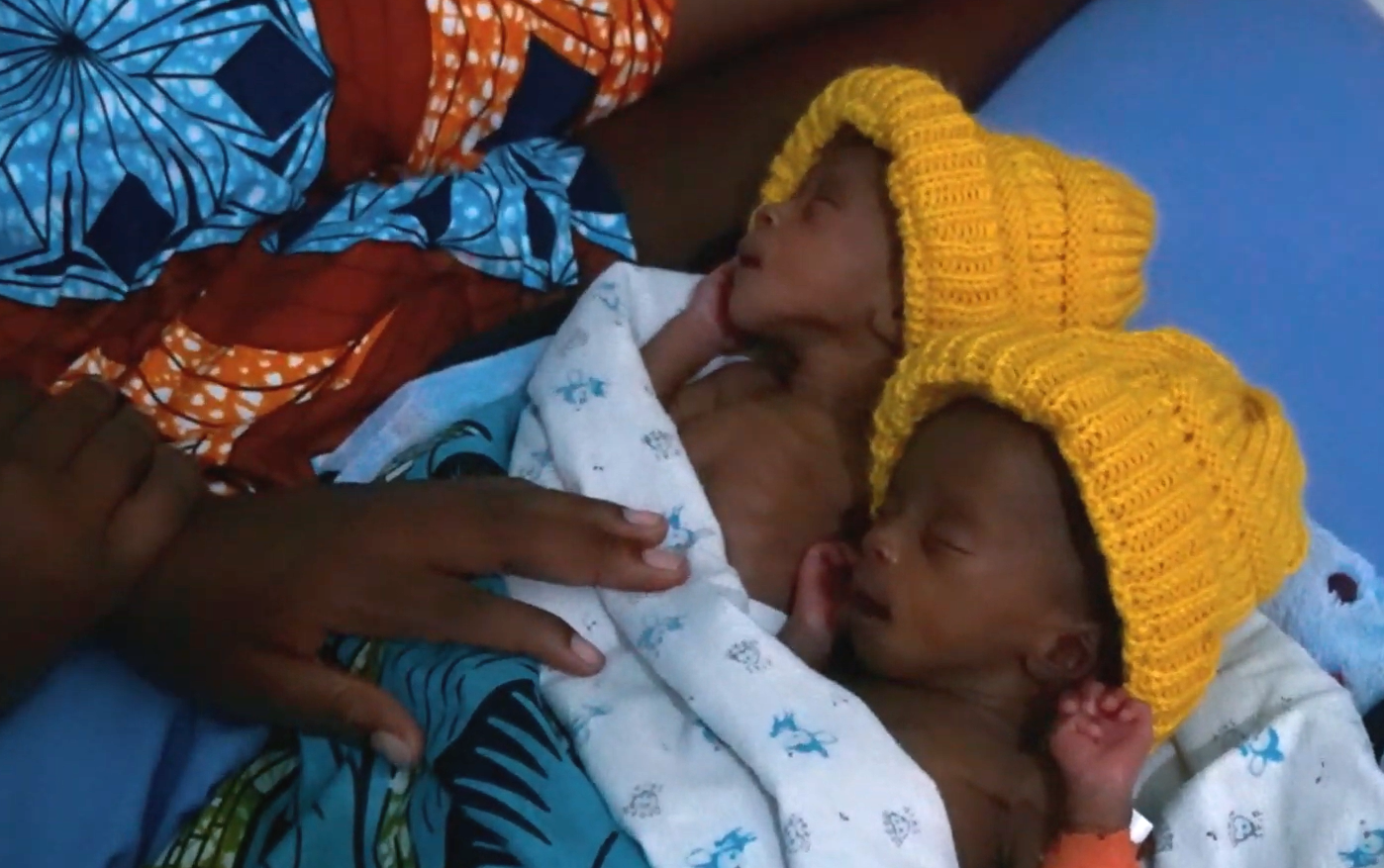
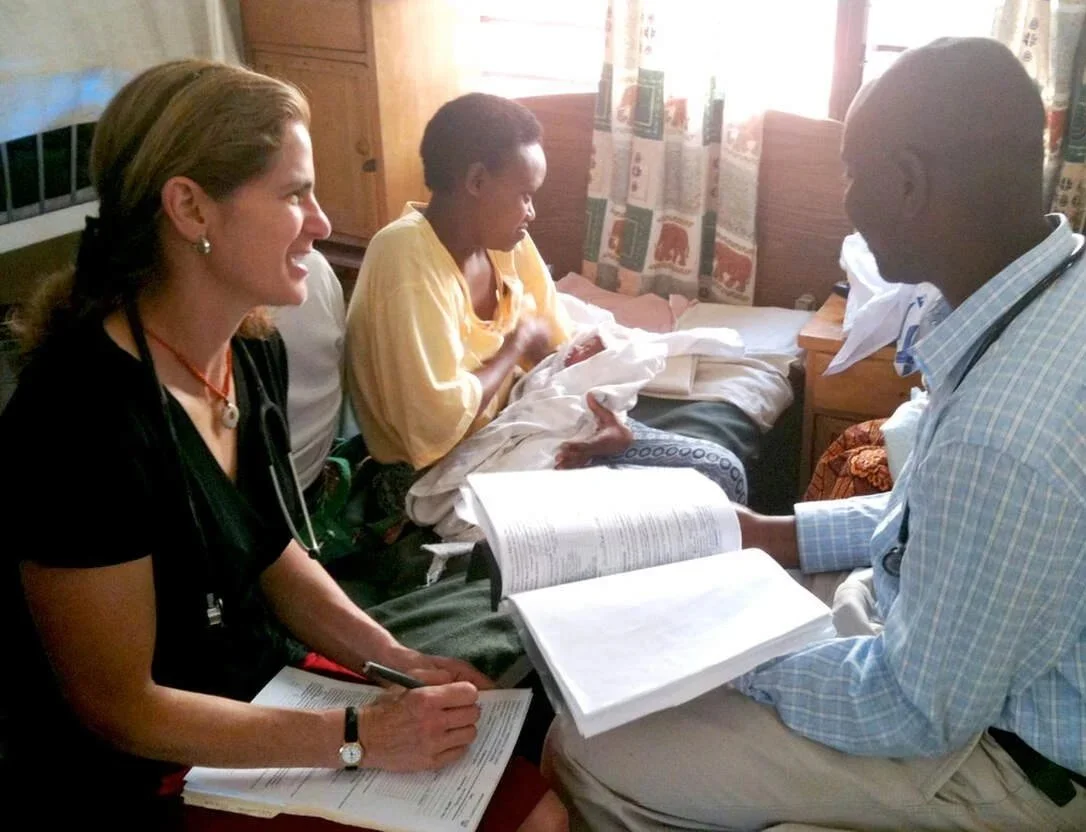
In 2010, while working in a rural district hospital in Rwanda, Dr. Hansen, a neonatologist, encountered a problem she hadn’t expected: newborns were arriving cold—and many struggled to stay warm.
Hypothermia was a constant and dangerous reality.
The hospital had only a few incubators. Many were broken. Electricity was unreliable. Even when incubators were available, they required specialized training and were difficult to clean, increasing infection risk.
Care Approaches and Practical Limits
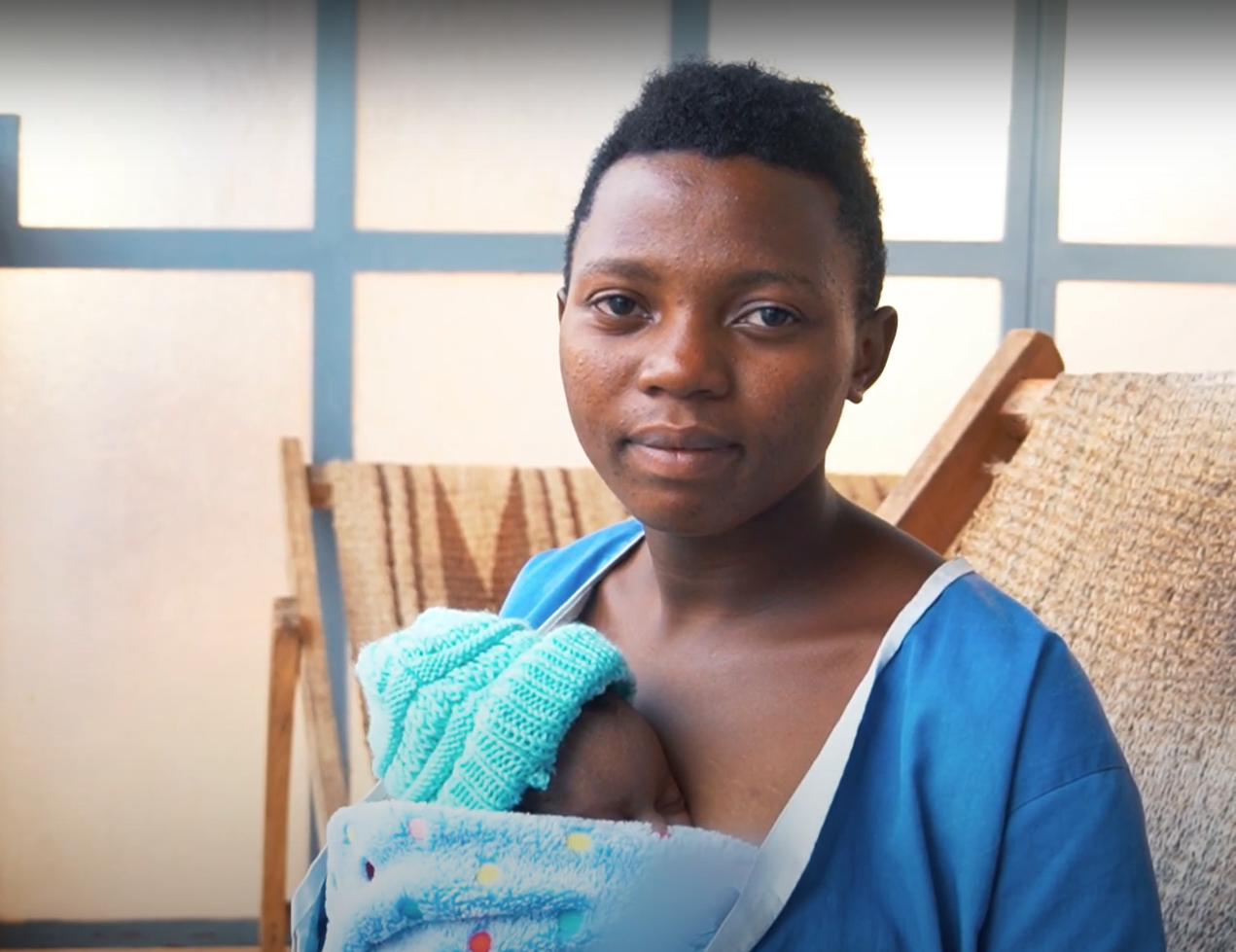
Skin-to-skin care (Kangaroo Mother Care) was powerful. It supported bonding, breastfeeding, and saved lives—but it wasn’t always enough, and not always possible.
Challenges included:
Mothers of twins or triplets unable to maintain warmth for all babies
Sick mothers separated from their newborns
Critically ill babies requiring IVs and respiratory support
Very small babies (~1kg) still losing heat even with skin-to-skin care
More Than Temperature
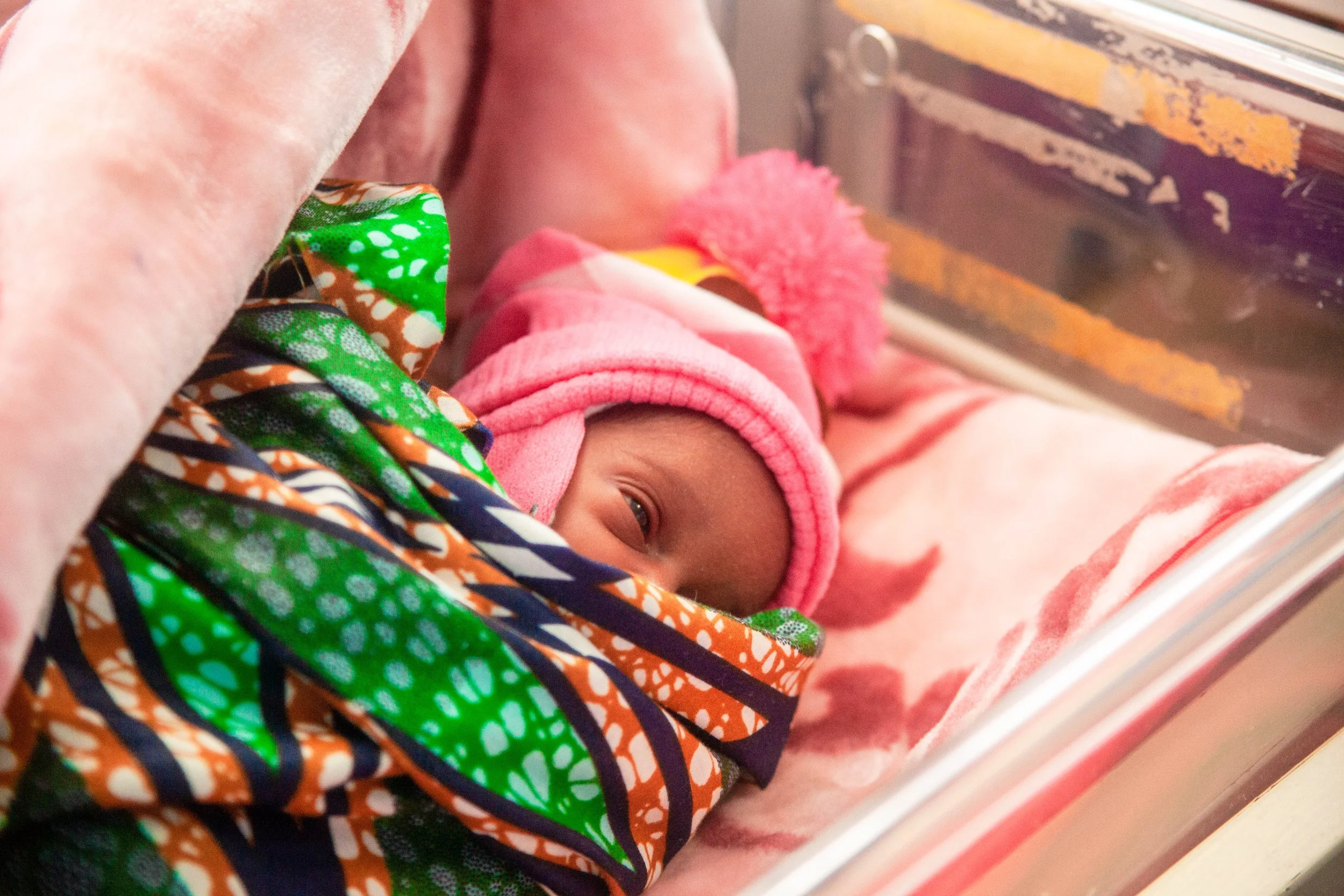
These babies weren’t just fighting hypothermia—they were struggling to grow.
Without enough warmth, they burned precious calories just to survive, creating a nutritional emergency. Weight gain was slow and recovery difficult. And the risks to brain development during this critical window were profound.
About one-third of newborns were admitted already hypothermic. Nearly all preterm babies experienced hypothermia during their hospital stay.
Searching for a Different Solution
When Dr. Hansen returned home from Rwanda, she couldn’t stop thinking about the babies—cold, struggling to grow, and at risk of lifelong harm from a preventable problem.
She began asking:
What would a solution look like in this context?
It would need to:
Work without reliable electricity
Be safe, simple, and easy to clean
Support—not replace—Kangaroo Mother Care
Maintain precise skin temperature
What followed was more than a decade of iteration, research, and collaboration—15 years of designing, testing, and refining a solution built for the realities of care in low-resource settings.
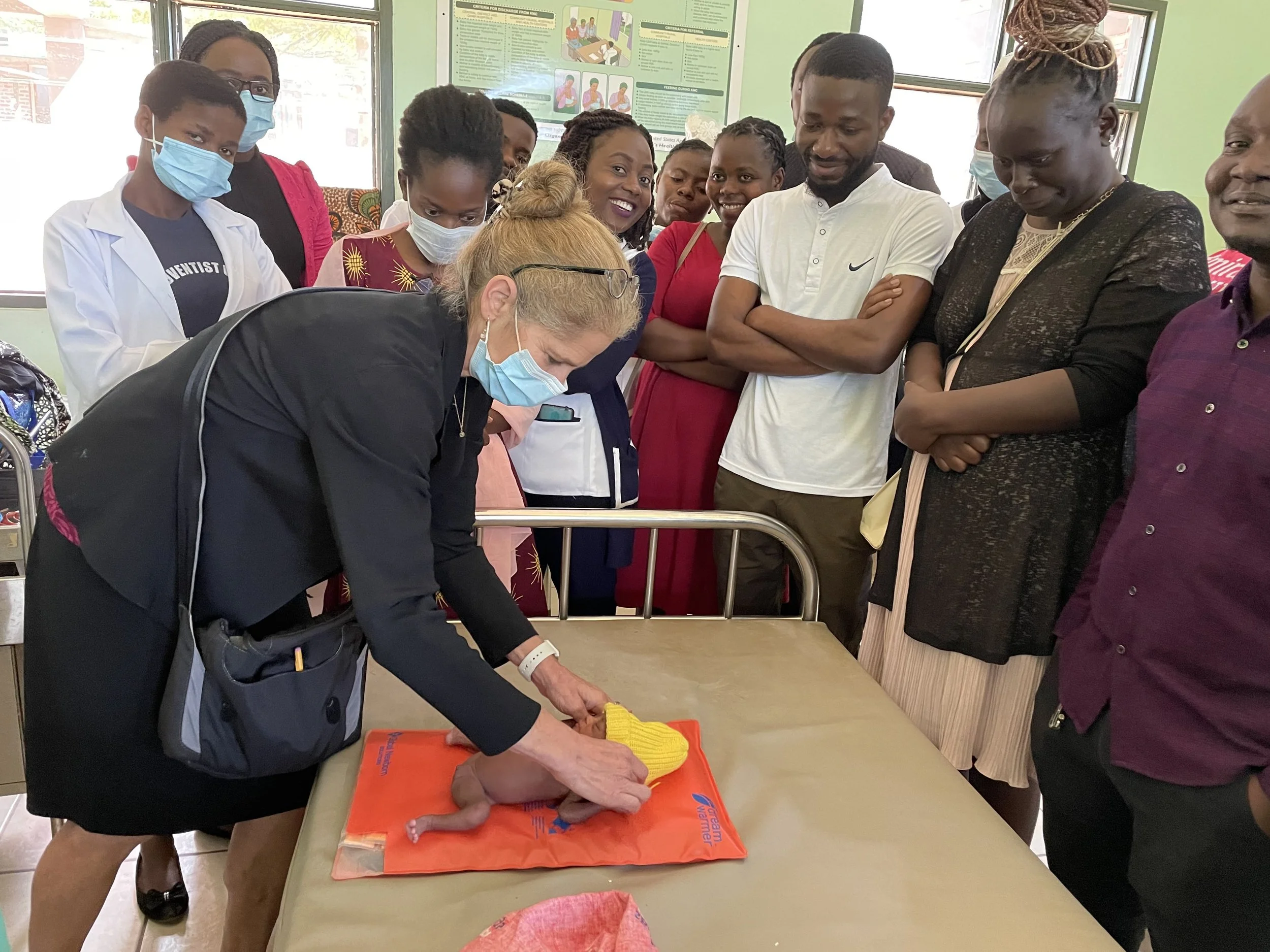
The Dream Warmer™
A simple, life-saving innovation designed for babies who need warmth the most
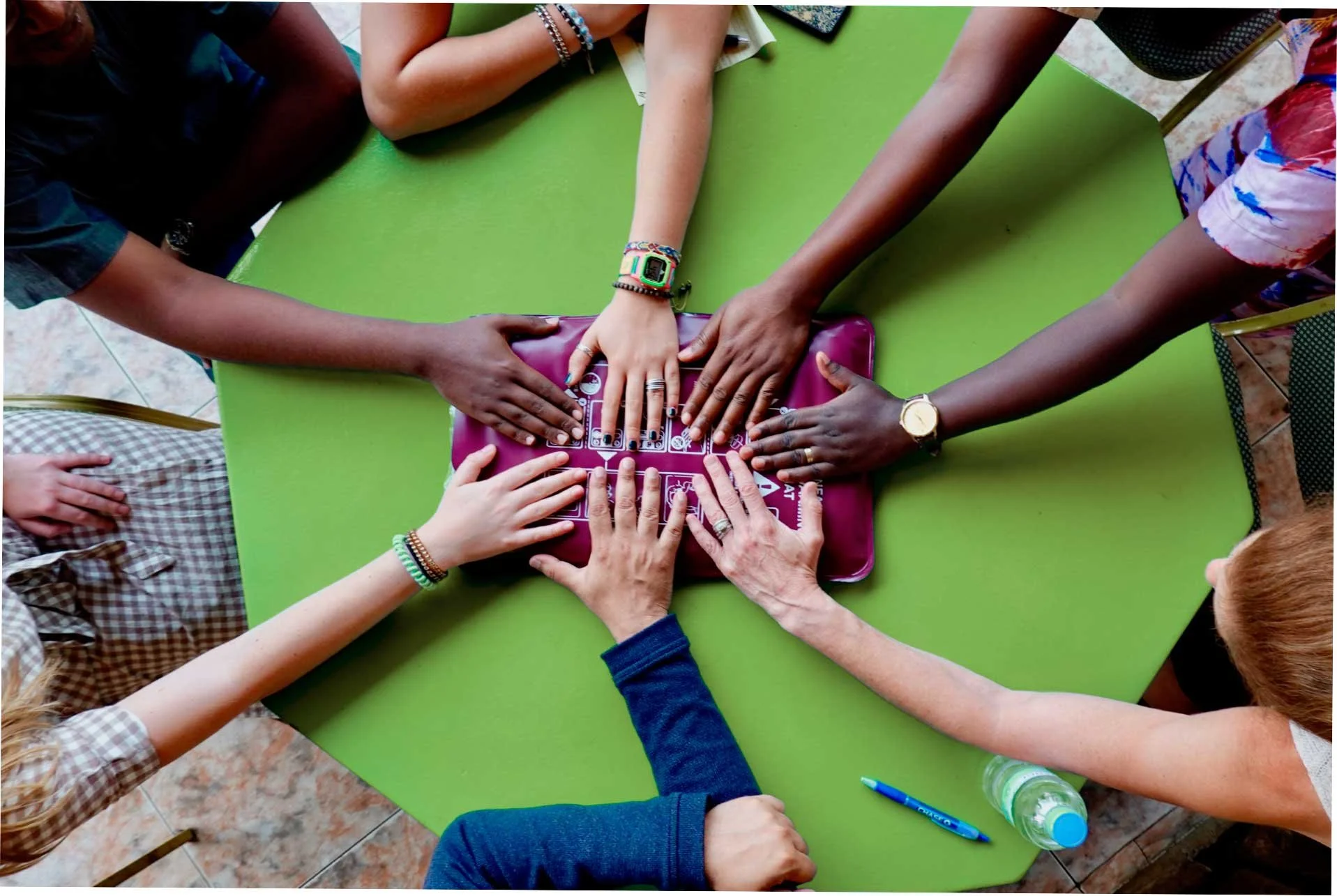
Dr. Hansen partnered with engineers at Lawrence Berkeley National Laboratory to create a non-electric skin-temperature heating pad — easy to prepare, use, and clean.
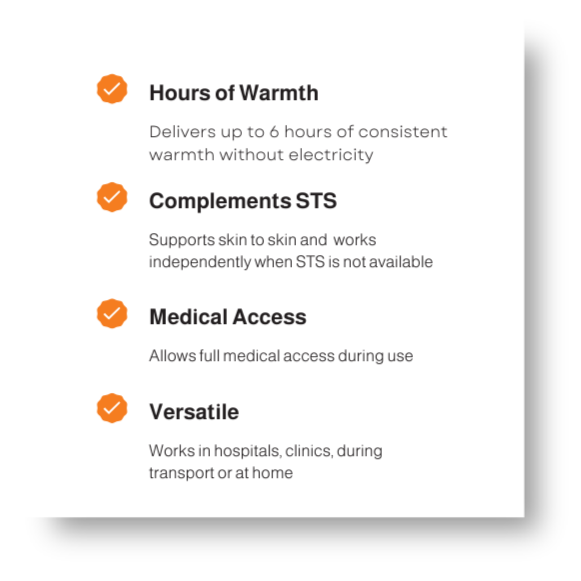
Powered simply by hot water—available even when electricity is not—it transfers gentle, controlled heat to a newborn, maintaining skin temperature for up to six hours. It cannot overheat or become too cold.
The Dream Warmer is designed to:
Complement skin-to-skin care when available
Serve as a stand-alone external heat source when the mother is unavailable
Work in hospitals, during transport, or at home
From the beginning, we collaborated closely with the Rwanda Ministry of Health and local healthcare providers, iterating on designs to meet real-world clinical needs. After many modifications and improvements, we designed The Dream Warmer, which has now been field-tested with extremely positive results and rave reviews from nurses and mothers.
The Dream Warmer has the potential to overcome many of the limitations encountered by current alternatives. It serves as a complement to STS and allows for easy access for medical assessment and treatment. The device can be used in a medical setting, during transport, or at home – either alone, or in combination with STS.
This experience became the foundation for Global Newborn Solutions — ensuring that every baby, everywhere, has access to safe, effective thermal care.